






 Send Inquiry
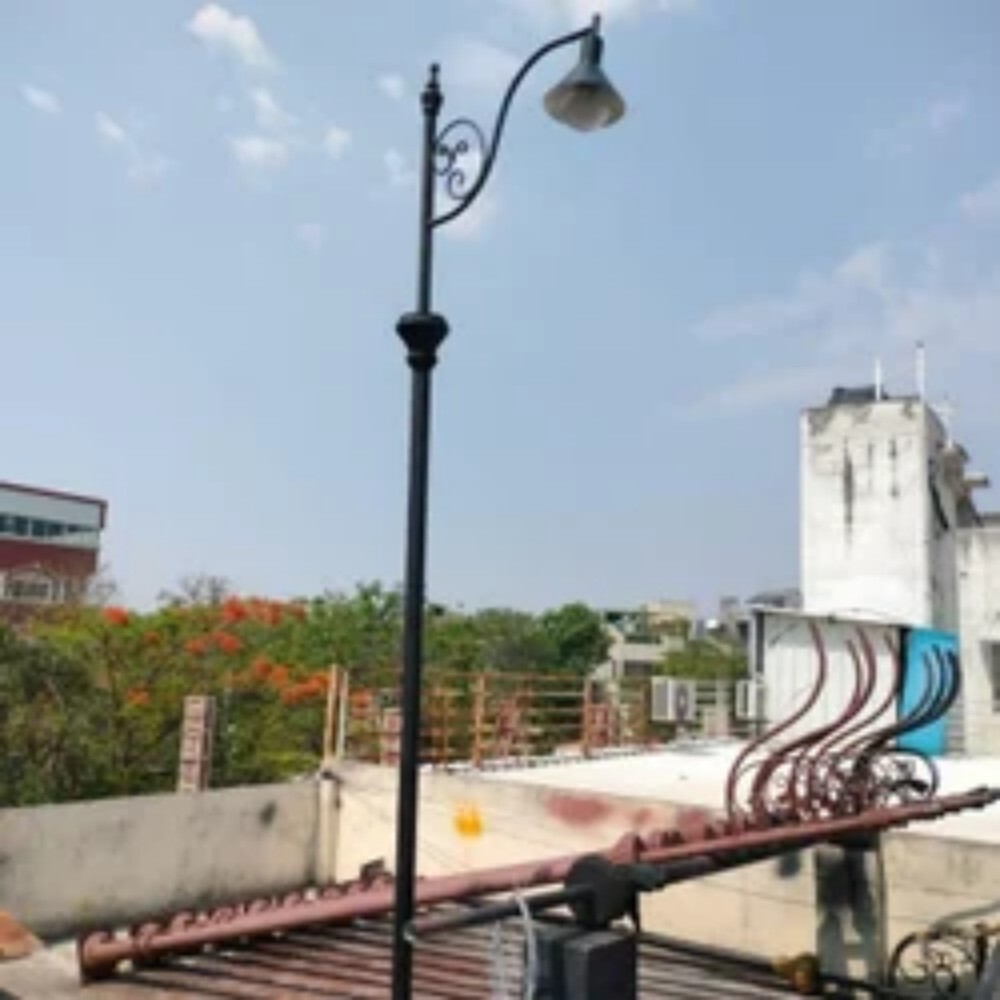
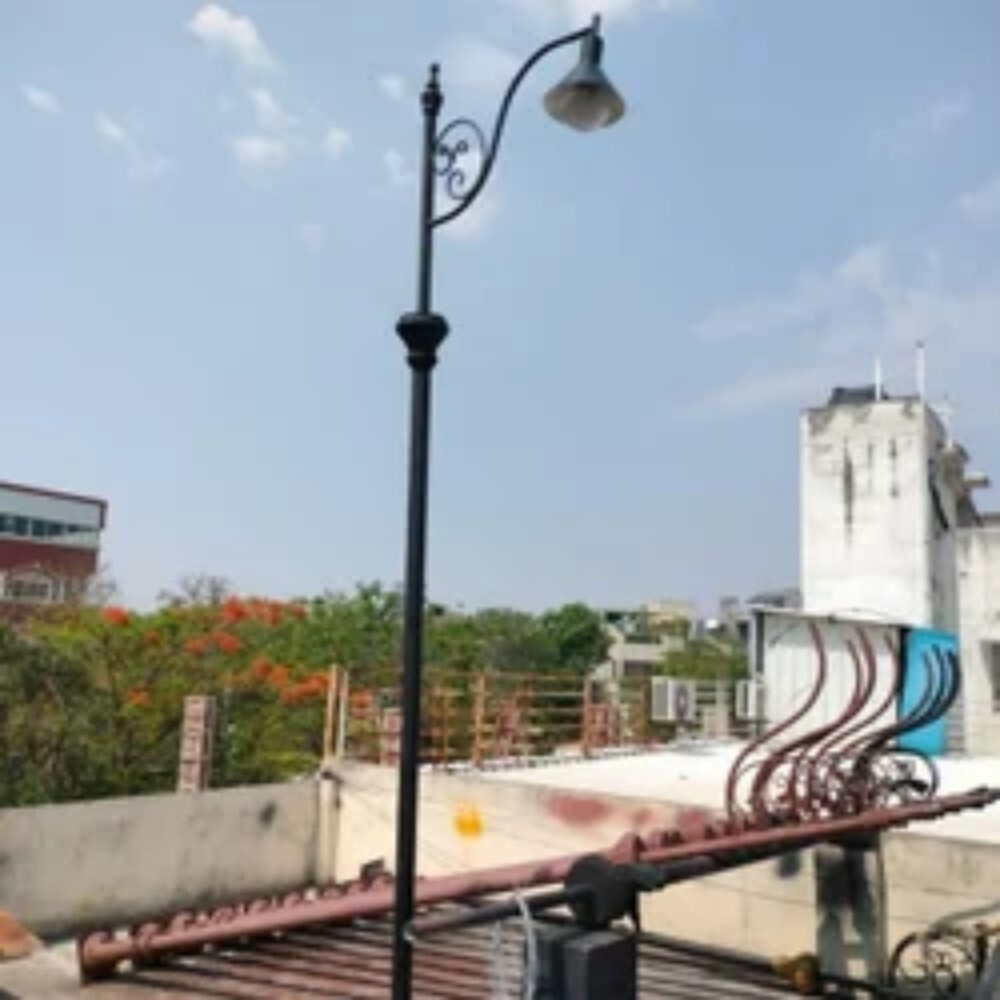
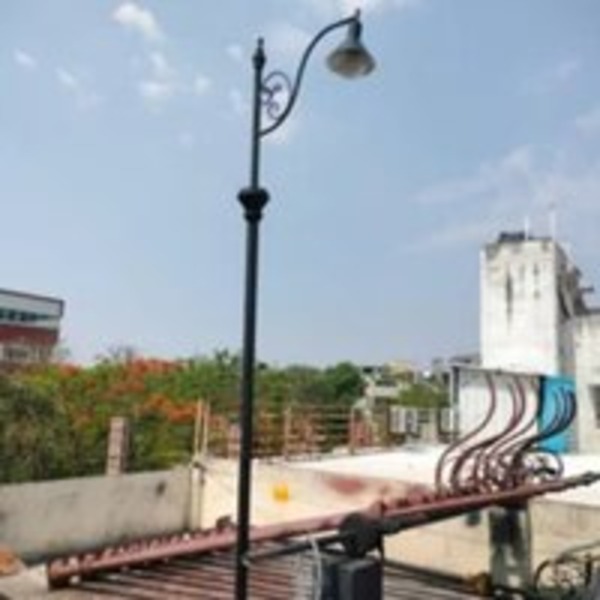
Smart Poles
Price 200.0 INR/ Kilograms
Smart Poles Specification
- Size
- Customizable
- Power
- 50-150W
- Dimension (L*W*H)
- As per design
- Diameter
- 76mm-160mm
- Head Diameter
- 60mm-90mm
- Beam
- Asymmetrical
- Product Type
- Smart Pole
- Material
- Hot Dipped Galvanized Steel
- Light Source
- LED
- Height
- 6-12 meters
- Voltage
- AC 220V
- Power Supply
- AC 220V/50Hz
- Usage
- Street, Road, Highway, Smart City Projects
- Protection Level
- Surge Protection and Short Circuit Protection
- Efficiency
- >90%
- Color Temperature
- 3000K-6500K
- IP Rating
- IP65
- Color
- Grey/Custom
- Control System
- Remote/Smart Centralized Control
- LED Lifespan
- >50,000 hours
- Communication
- 4G/5G Support
- Input Frequency
- 50/60Hz
- Compliance
- RoHS, CE certified
- Integrated Features
- CCTV, Wi-Fi, Digital Signage, EV Charging, Environmental Sensors
- CRI
- >80
- Wind Resistance
- Up to 160 km/h
- LED Driver
- Isolated, High Power Factor
- Operating Temperature
- -40C to +60C
- Pole Finish
- Polyester Powder Coated
- Mounting Type
- Surface Mount
- Smart Features
- Real-time Monitoring, Fault Feedback, Energy Saving Mode
- Lighting Control
- Dimmable, Timer, Remote
Smart Poles Trade Information
- Minimum Order Quantity
- 100000 Kilograms
- FOB Port
- New Delhi
- Payment Terms
- Letter of Credit (L/C), Cash in Advance (CID), Cash Advance (CA), Cash Against Delivery (CAD)
- Supply Ability
- 1 Kilograms Per Day
- Delivery Time
- 1 Week
- Sample Policy
- Sample costs shipping and taxes has to be paid by the buyer
- Packaging Details
- STANDARD
- Main Export Market(s)
- Western Europe, Asia, South America, Central America, North America, Eastern Europe, Australia, Middle East, Africa
- Main Domestic Market
- All India
- Certifications
- ISO AND BIS
About Smart Poles
Comprehensive Smart Pole Integration
Our smart poles combine multiple advanced features including CCTV security, Wi-Fi connectivity, digital signage, environmental monitoring, and EV charging, offering versatile solutions for urban spaces. They support real-time monitoring, remote control, and energy-saving modes, improving efficiency and public safety.
Robust and Efficient Construction
Crafted from hot-dipped galvanized steel and finished with a polyester powder coat, the poles are built to endure challenging climates and high wind speeds. With intelligent dimmable LED lights (CRI >80), a long operational lifespan, and efficiency above 90%, they ensure both performance and sustainability for smart city upgrades.
FAQ's of Smart Poles:
Q: How are Smart Poles with integrated features installed and maintained?
A: These smart poles are surface-mounted and require professional installation to ensure stability and optimal performance. Maintenance can be efficiently managed via remote centralized control, enabling real-time monitoring and prompt fault feedback. Regular inspections may be conducted as per manufacturer guidelines.Q: What applications and locations are suitable for deploying these Smart Poles?
A: Smart Poles are ideal for streets, highways, urban roads, and public spaces within smart city projects. Their robust design, various mounting options, and environmental resistance make them suitable for both densely populated cities and challenging outdoor environments.Q: When should I consider using these Smart Poles in my urban development project?
A: Consider integrating these Smart Poles during new city infrastructure development or while upgrading existing outdoor lighting and connectivity systems. Their wide feature set and adaptability make them valuable at any stage requiring enhanced safety, connectivity, and energy efficiency.Q: Where are the integrated features like CCTV, Wi-Fi, and EV charging accessed on the pole?
A: CCTV cameras, Wi-Fi hotspots, and digital signage are seamlessly mounted on the pole structure for easy public access and maximum coverage. EV charging ports are positioned for convenient use by electric vehicles near roadways or designated street-side parking.Q: What is the process for customizing Smart Pole size, finish, and specifications?
A: Customization requests can be made to adjust pole height (6-12 meters), diameter, head dimensions, color, and other technical parameters. Once requirements are finalized, the manufacturer will produce poles as per your design and project needs, ensuring seamless integration and aesthetic coherence.Q: How do Smart Poles help save energy and reduce operational costs?
A: Energy-saving modes, dimmable LED lighting, and remote scheduling via a smart centralized control system maximize efficiency. High power factor and isolated LED drivers further lower energy consumption and maintenance, resulting in reduced long-term operational costs.Q: What key benefits do these Smart Poles offer to urban environments?
A: Smart Poles deliver enhanced safety through surveillance, broader connectivity via Wi-Fi, real-time information via digital signage, sustainable lighting, and EV charging. Their durability, flexibility, and smart features enable cities to evolve toward a more intelligent and eco-friendly future.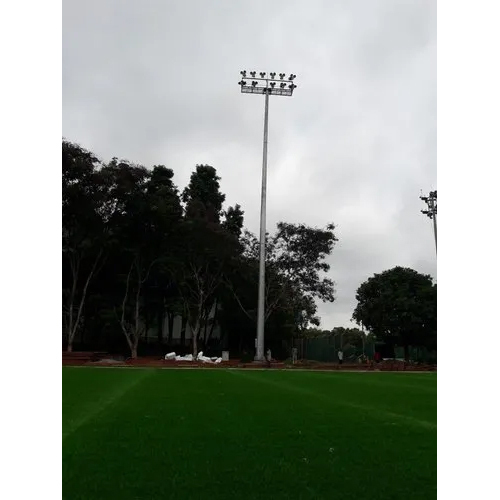

Price:
- 50
- 100
- 200
- 250
- 500
- 1000+

More Products in Poles Category

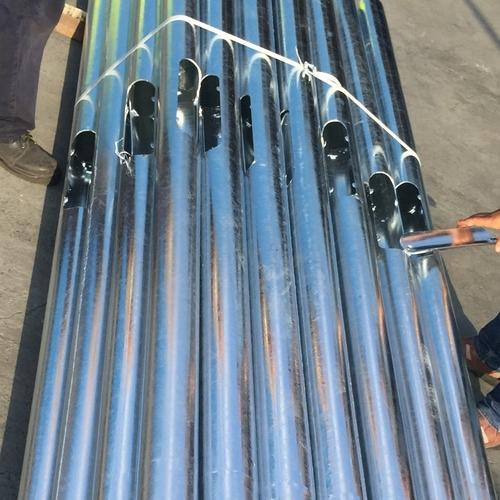
Octagonal Poles
Price 7000.0 INR / Piece
Minimum Order Quantity : 10 Pieces
Product Type : Octagonal Pole
Beam : Single/Double/Triple Arm or Custom Design
Power Supply : 220V AC, 50Hz
Head Diameter : 70 125 mm
Conical Poles
Price 6500.0 INR / Piece
Minimum Order Quantity : 10 Pieces
Product Type : Conical Pole
Beam : Tapered/conical (not light beam; refers to pole geometry)
Power Supply : AC 220240V
Head Diameter : 60 mm to 120 mm (customizable)
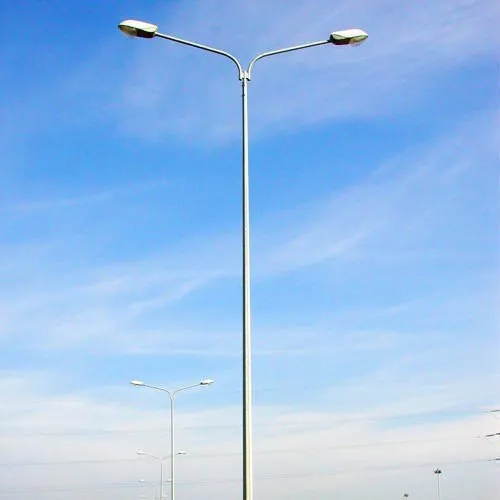
Street Light Poles
Price 5000.0 INR / Piece
Minimum Order Quantity : 10 Pieces
Product Type : Street Light Pole
Beam : 120
Power Supply : AC 220240V, 50Hz
Head Diameter : 6090 mm
Traffic Light Poles
Price 5000.0 INR / Piece
Minimum Order Quantity : 10 Pieces
Product Type : Traffic Light Pole
Beam : Single arm or double arm, custom span
Power Supply : 220V/50Hz AC
Head Diameter : 200 mm, 300 mm, or 400 mm (signal head options)

UNIVERSAL SPORTS LIGHTING
Sterlin Heights , Michigan 48310
- Send Inquiry
The Company Detail
MBMH Incorporated
2641 Mystic Drive, Sterlin Heights , Michigan 48310
Phone numbers as follows:
+12486704790,
+12899688075
 Send Inquiry
- Mr Mohit Bhatnagar (Manager Technical)
- Mobile :07971549690


 |
UNIVERSAL SPORTS LIGHTING
All Rights Reserved.(Terms of Use) Developed and Managed by Infocom Network Private Limited. |
