x






 Send Inquiry
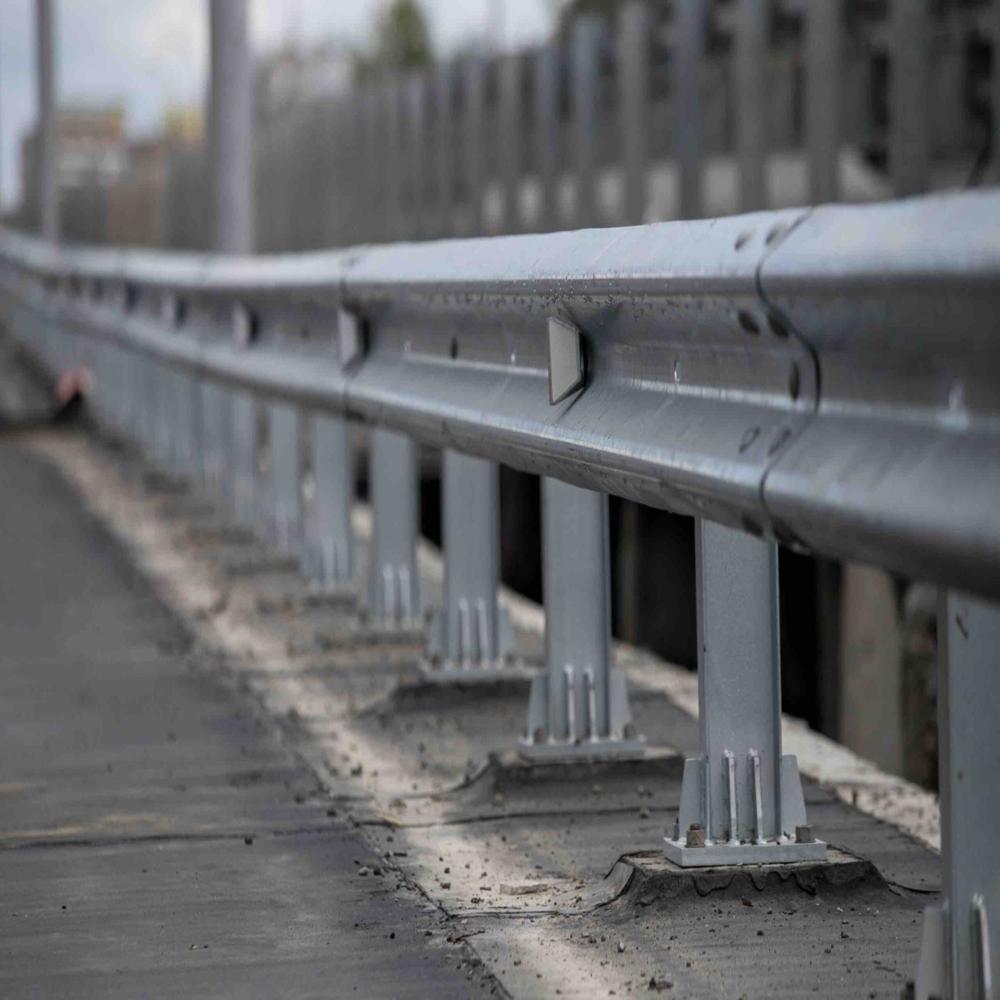
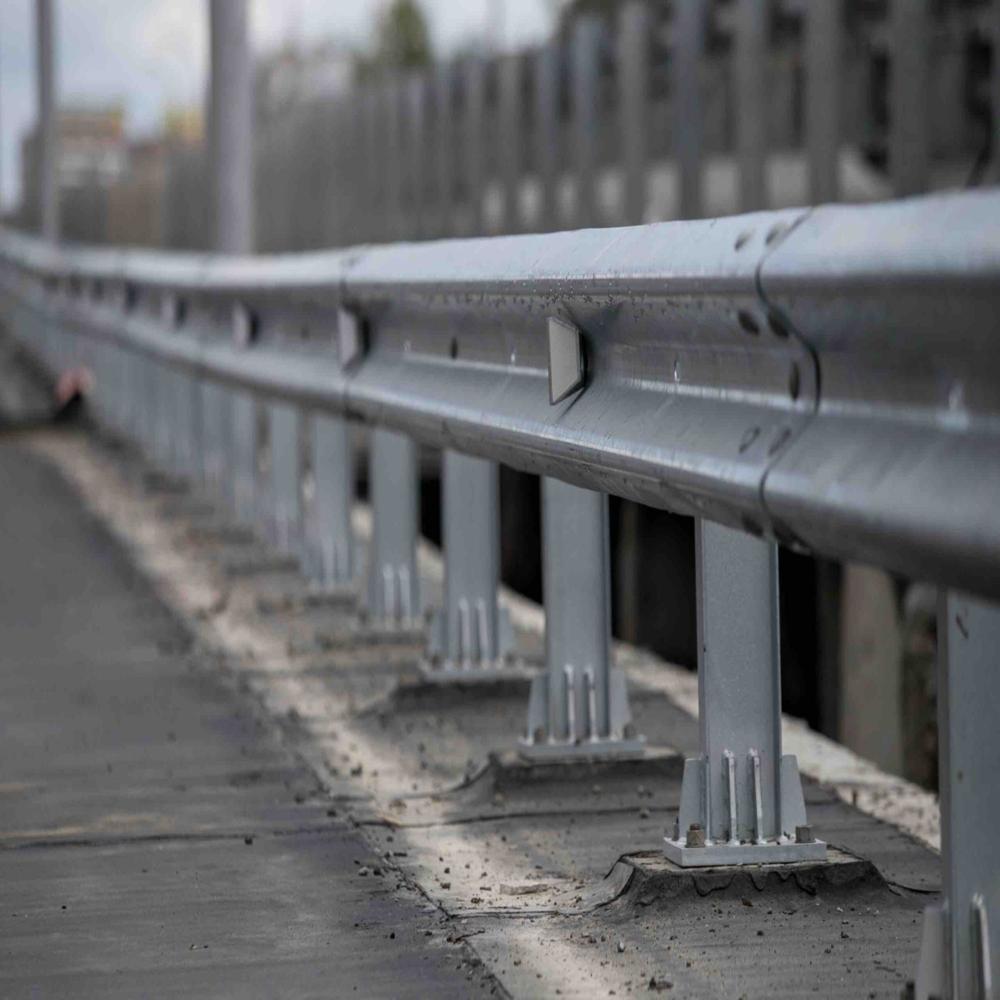
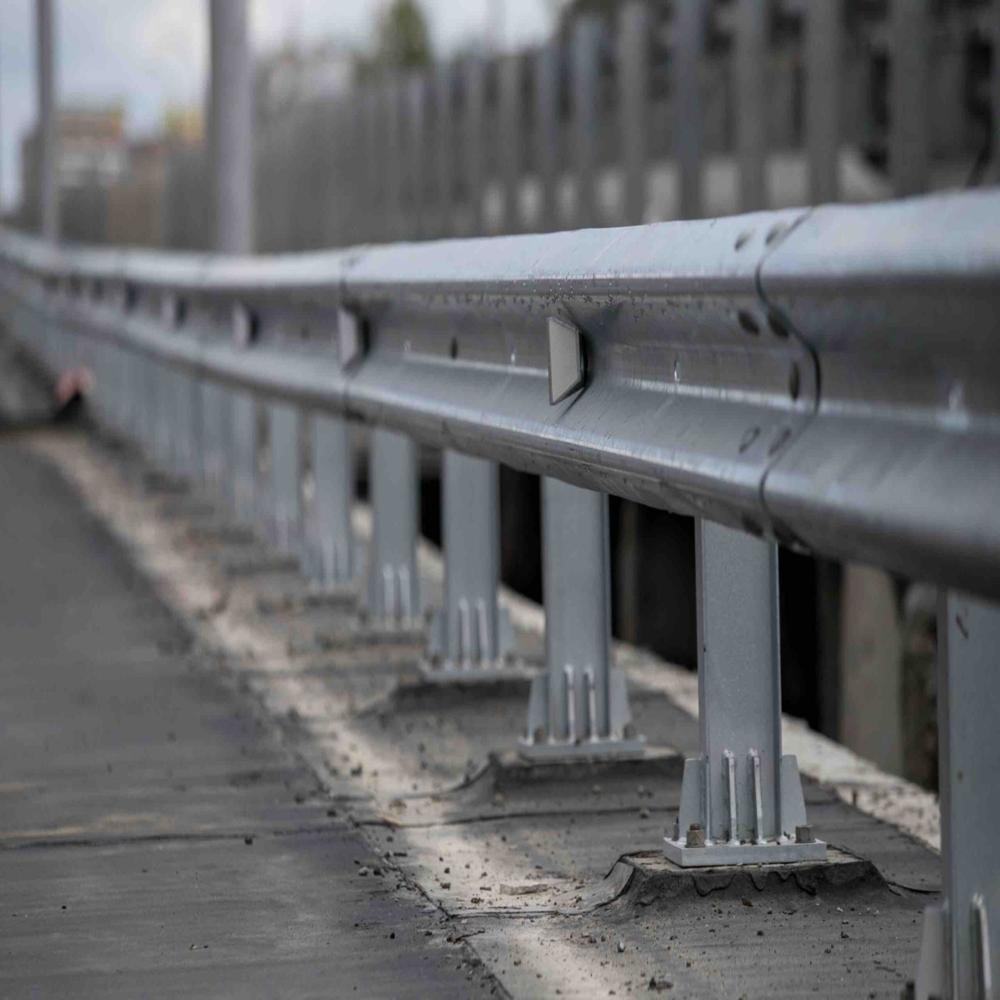
W Beam Crash Barrier
Price 1600 INR/ Meter
W Beam Crash Barrier Specification
- Function
- Prevents vehicles from going off the road, absorbs impact energy and redirects vehicles back onto the road during collisions
- Size
- Standard W-Beam length is 4318 mm (14 ft); height 312 mm; beam thickness typically 2.7 mm or 3.0 mm
- Feature
- Corrosion resistant galvanized steel, modular design, high impact resistance, easy installation and maintenance
- Power Needed
- No electrical power required
- Signal Type
- No signal; passive physical safety system
- Beam Profile
- W pattern (corrugated), double wave design
- Post Spacing
- Typically 2 meters or as per site requirement
- Weight per Meter
- Approx. 18-20 kg/meter (beam only)
- Finish
- Hot dip galvanized as per IS 2062 & IS 2041 or equivalent international standards
- Installation Method
- Driven or embedded posts according to ground condition
- Application
- Highways, expressways, bridges, flyovers, parking zones, industrial and commercial roads
- Service Life
- Typically 20 years or more depending on environmental conditions
- Color
- Silver (galvanized finish); custom color/paint as required
- Accessories
- Includes spacers, fasteners, reflective tapes or delineators if required
- Crash Effectiveness
- Redirects errant vehicles, minimizes fatalities and road accidents
- Post Type
- C or Z type galvanized steel posts
- Material
- High strength galvanized steel
W Beam Crash Barrier Trade Information
- Minimum Order Quantity
- 1000 Meter
- FOB Port
- delhi
- Supply Ability
- 10000 Per Week
- Delivery Time
- 1 Week
- Main Export Market(s)
- Asia, Australia, Central America, North America, South America, Eastern Europe, Western Europe, Middle East, Africa
- Main Domestic Market
- All India
About W Beam Crash Barrier
W Beam Crash Barrier Description
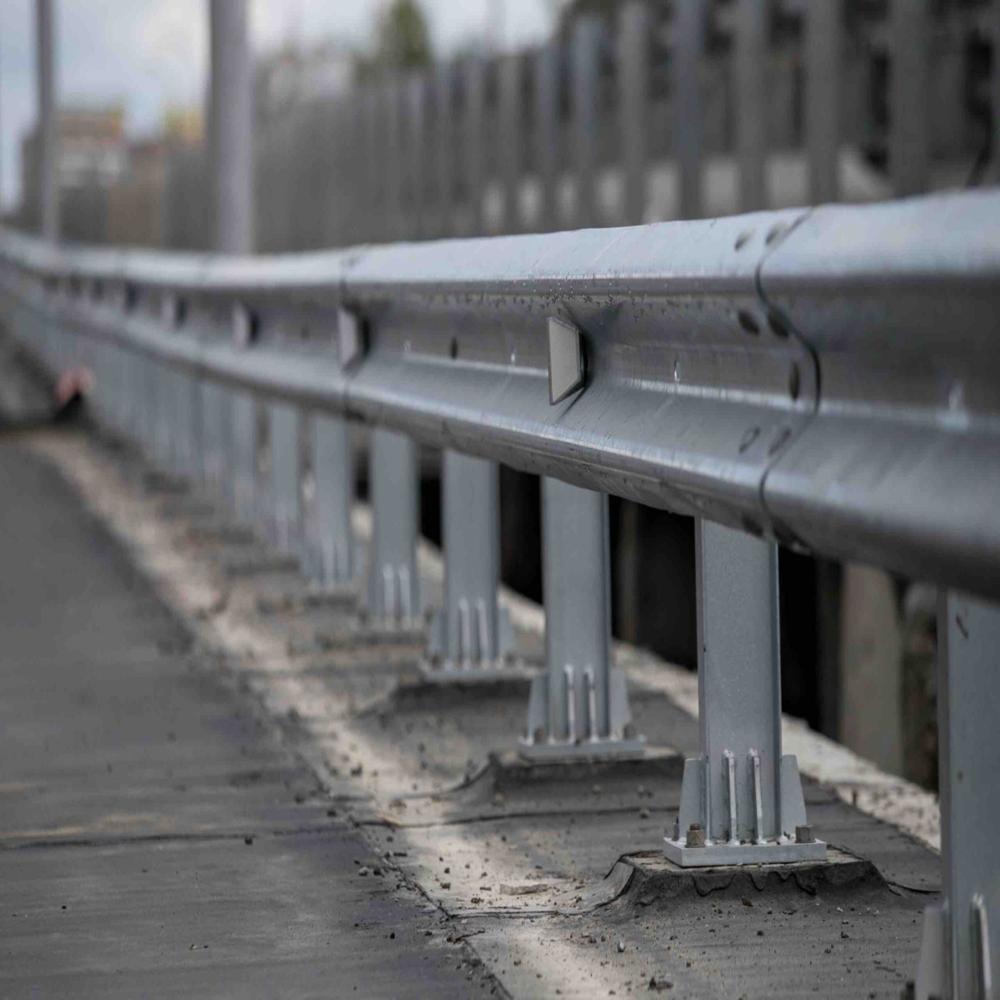
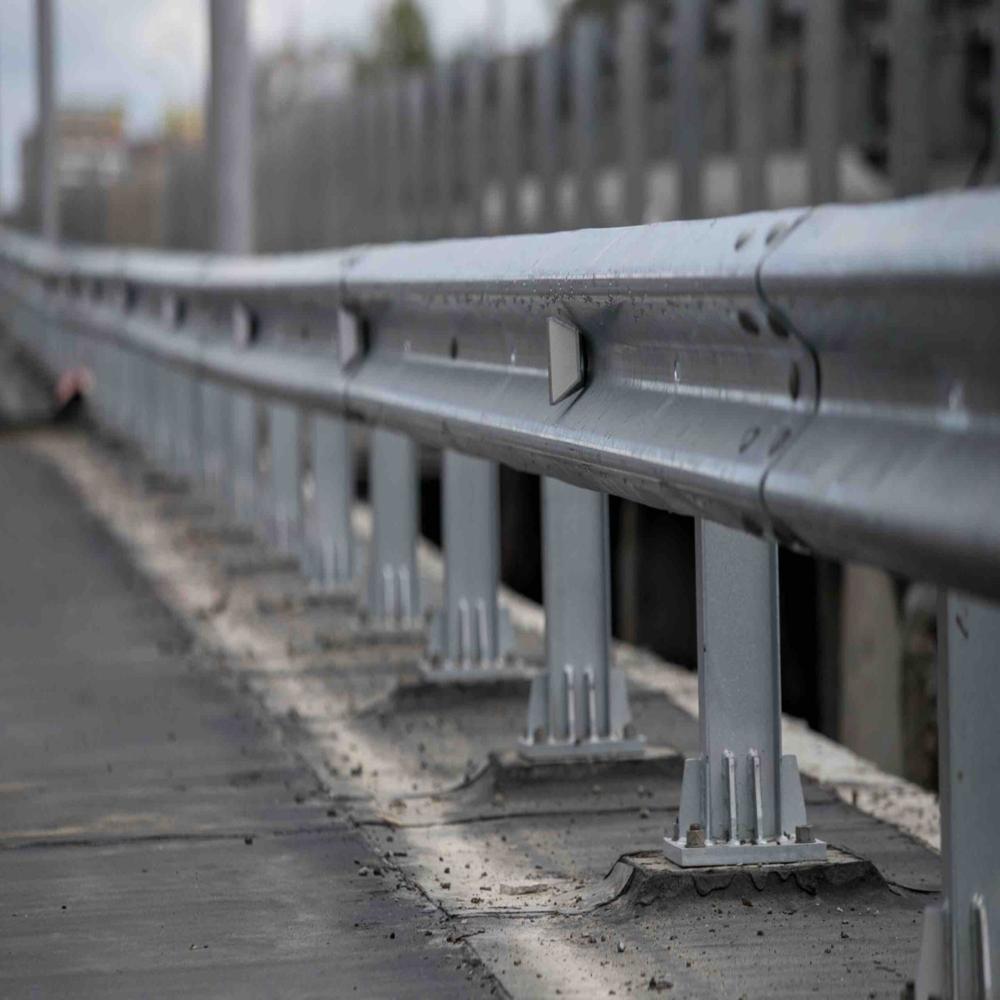
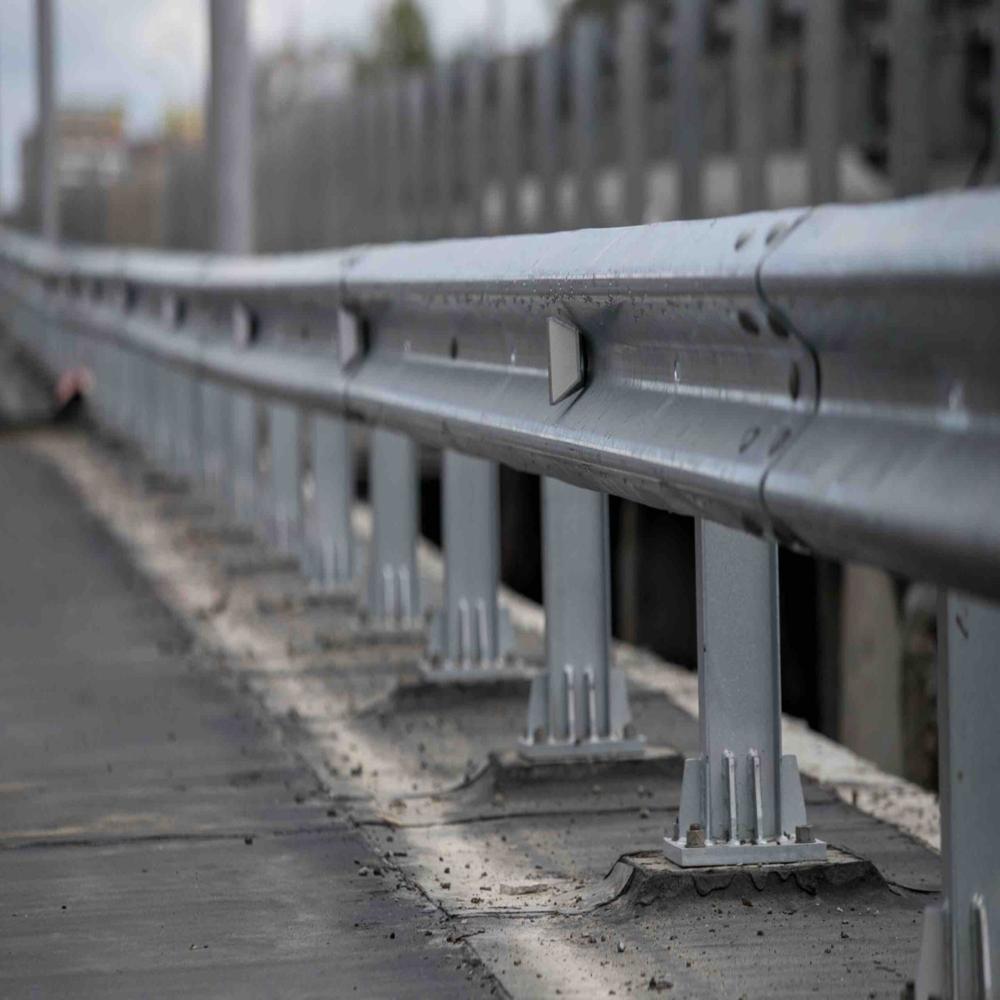
W beam crash barriers are a type of road safety barrier designed to absorb and redirect the impact of vehicles, reducing the risk of damage and injury. Key features include:
W-shaped design: A corrugated beam design that helps absorb impact.
Durable materials: Often made from galvanized steel or other robust materials.
Highway safety: Used to protect vehicles from roadside hazards and prevent cross-median crashes.
These barriers are effective in reducing the severity of accidents on highways and roads.
Exceptional Road Safety Solution
W Beam Crash Barriers provide robust protection against vehicle run-off on highways, expressways, bridges, and other critical traffic zones. Their unique double wave design and high-impact resistance ensure vehicles are safely redirected during collisions, reducing injuries and damage. Combined with proven impact absorption and modularity, these barriers are a trusted safety measure for modern road infrastructure.
Premium Galvanized Steel for Longevity
Constructed from high-strength galvanized steel and finished by hot dip galvanization according to IS and international standards, W Beam Crash Barriers deliver exceptional durability and corrosion resistance. With a typical service life exceeding 20 years, they require minimal maintenance even in challenging environmental conditions, making them a reliable, long-term safety investment.
Simple Installation, Versatile Applications
These crash barriers are available in standard C or Z type posts, which can be either driven or embedded as per ground and site requirements. Their modular structure ensures easy and rapid installation across various terrains, from highways and flyovers to parking zones and industrial sites. Accessories are provided for complete and adaptable setups.
FAQ's of W Beam Crash Barrier:
Q: How are W Beam Crash Barriers installed on different types of roads?
A: W Beam Crash Barriers are installed by driving or embedding the galvanized steel C or Z posts into the ground, depending on soil and site conditions. Standard post spacing is 2 meters, but adjustments can be made to meet site-specific requirements, enabling installation on highways, expressways, bridges, flyovers, and other locations.Q: What materials are used in manufacturing the W Beam Crash Barrier?
A: The barriers are manufactured using high strength galvanized steel beams and posts. The finish is achieved through hot dip galvanization, adhering to IS 2062, IS 2041, or equivalent international standards, ensuring resistance against corrosion and a long service life.Q: When should W Beam Crash Barriers be implemented?
A: These barriers should be installed in areas where there is a significant risk of vehicles leaving the roadway-such as along highways, expressways, bridge approaches, flyovers, industrial and commercial roads, or parking zones-to enhance road and vehicular safety.Q: Where can W Beam Crash Barriers be used effectively?
A: They are highly effective along the sides and medians of highways, expressways, bridges, flyovers, parking zones, and in industrial or commercial premises where preventing vehicle impacts and roadway departure is critical.Q: What is the installation process for W Beam Crash Barriers?
A: The process starts with site assessment, followed by positioning and installing C or Z type galvanized posts at spaced intervals, typically every 2 meters. The W Beam panels are then fixed onto these posts using appropriate spacers, fasteners, and accessories as required. Reflective tapes or delineators can be added for enhanced visibility.Q: How do W Beam Crash Barriers benefit road safety and accident reduction?
A: By absorbing impact energy and redirecting vehicles back onto the roadway, W Beam Crash Barriers minimize fatalities, prevent vehicles from running off the road, and reduce the severity of accident outcomes during collisions.Q: What maintenance is required for W Beam Crash Barriers?
A: Thanks to their galvanized coating and robust design, these barriers typically require only periodic inspection and minor cleaning, ensuring functionality and longevity over decades regardless of exposure to harsh weather or road conditions.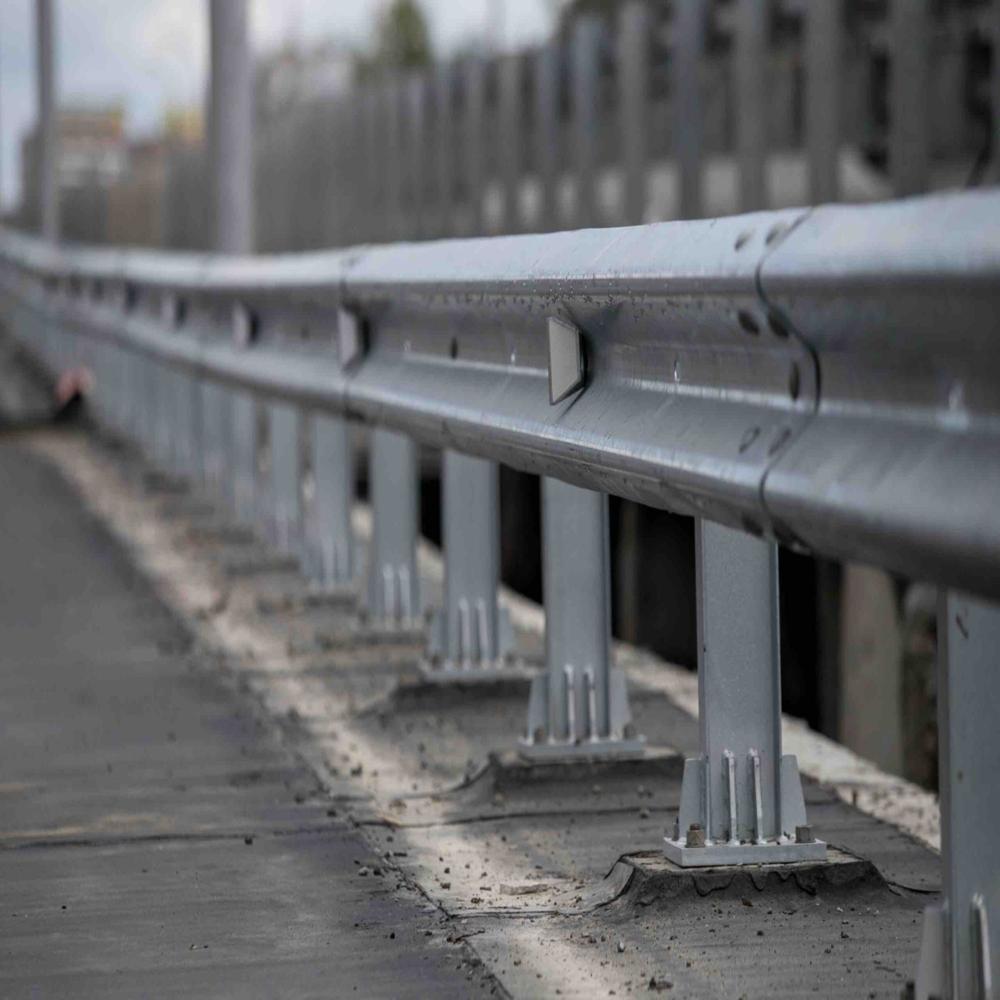
Tell us about your requirement

Price:
Quantity
Select Unit
- 50
- 100
- 200
- 250
- 500
- 1000+
Additional detail
Mobile number
Email

More Products in Crash Barrier Category

UNIVERSAL SPORTS LIGHTING
Sterlin Heights , Michigan 48310
- Send Inquiry
The Company Detail
MBMH Incorporated
2641 Mystic Drive, Sterlin Heights , Michigan 48310
Phone numbers as follows:
+12486704790,
+12899688075
 Send Inquiry
- Mr Mohit Bhatnagar (Manager Technical)
- Mobile :07971549690


 |
UNIVERSAL SPORTS LIGHTING
All Rights Reserved.(Terms of Use) Developed and Managed by Infocom Network Private Limited. |
